







Search Results for: Mexico Maragogype
The Origin and Flavor Characteristics of Nicaragua Maragogype Elephant Bean and Front Street Coffee Roasting and Brewing Guide
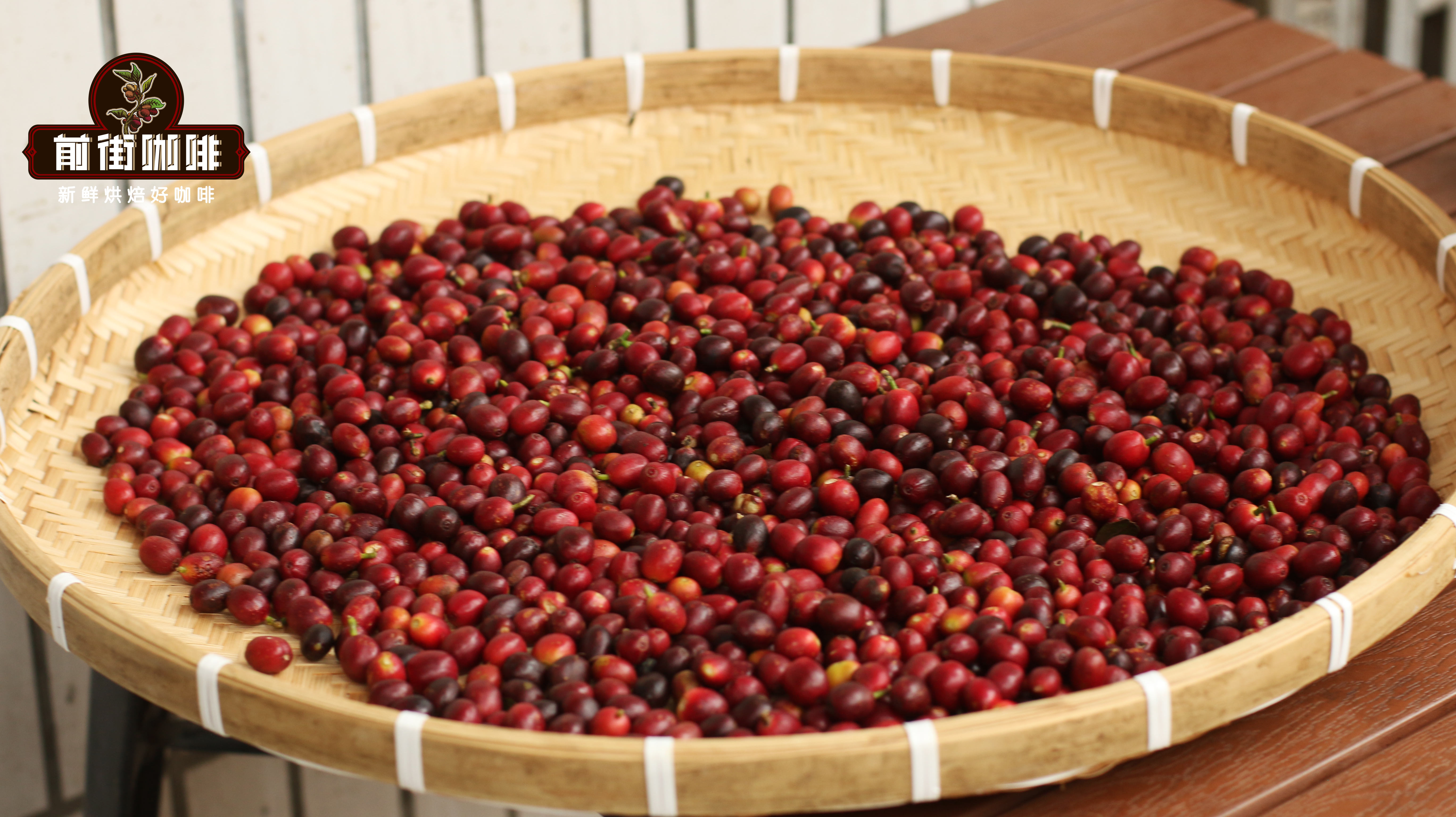
In the Arabica family, there is a type of bean whose size far exceeds that of its peers, known as the giant elephant bean, with the scientific name Maragogype. It was first discovered in 1870 in Bahia, Brazil, and was later identified as a natural mutation of Typica, with the bean able to reach three times the size of ordinary Arabica. Due to high cultivation costs and difficult harvesting, elephant beans are scarce in yield and are currently mainly distributed in Brazil, Nicaragua, Mexico, Guatemala, and other places. Among them, the elephant beans produced by the Mama Mina estate under the Mierisch family in Nicaragua have outstanding flavor, with aromas of black berries, dark plums, and citrus peel, and a solid, silky mouthfeel. In this article, Front Street Coffee will guide you through the origin of elephant beans, their regional characteristics, sun-dried processing methods, and share specific roasting curves and brewing parameters, and finally compare them with their hybrid offspring Pacamara. [more…]

Nicaragua Maragogype Elephant Bean Flavor Analysis: Central American Specialty Coffee Varietal Characteristics and Front Street Recommendations
Arabica, Robusta, and Liberica make up the three main native species of coffee worldwide, and among them Arabica has the smallest beans, which is why it is often called "small-seed coffee." Yet within the Arabica family, there exists a mutant variety whose beans can grow to three times the size of ordinary Arabica—the Maragogype, also known as the elephant bean. It was first discovered in 1870 in the Maragogipe region of Bahia, Brazil, and was identified as a natural mutation of Typica. The Maragogype plant is tall with lush foliage, and its demands for space and nutrients far exceed those of conventional varieties. Combined with the difficulty of harvesting and the high time cost, very few farmers are willing to grow it. Today it is found only in scattered pockets across Latin American countries such as Brazil, Nicaragua, Mexico, and Guatemala. During its bean-sourcing travels, Front Street Coffee purchased several lots of Maragogype for cupping and concluded that those from Nicaragua performed best, with the sun-dried Maragogype from the Mierisch family's Mama Mina estate standing out in particular for its flavor. This article will walk coffee lovers through the complete picture of the Maragogype and its hybrid offspring Pacamara—from the variety's origins and current state of cultivation to its flavor profile and brewing parameters. [more…]
Starbucks' Ninth Global FSC Opens in Chiapas, Mexico: A Full Breakdown of Regional Flavors, Varieties, and Processing Methods
At the northernmost tip of the Coffee Belt lies an underrated high-quality origin—Mexico. Dominated by smallholder traditions, it produces about 5 million bags a year, making it a pivotal coffee supplier in North America. From Veracruz to Oaxaca, and on to the highlands of Chiapas bordering Guatemala, Mexican coffee displays a unique character that is mild and delicate, sweet and richly aromatic. In 2016, Starbucks opened its ninth global Farmer Support Center (FSC) in Chiapas, injecting new vitality into this land. This article will give you a comprehensive understanding of the history of Mexican coffee, its main producing regions, representative estates, variety characteristics, and washed processing method, and will specially present Front Street Coffee's recommendations and insights on Mexican beans. [more…]
An In-Depth Analysis of Mexican Coffee: Cultivation History, Varieties and Processing, Grading, and Flavor Profile
Mexico is located in the southern part of North America, serving as a bridge between North and South America and standing as one of the world's important coffee-producing countries. This article provides a comprehensive introduction to the cultivation history, main producing regions, varieties, processing methods, grading standards, and flavor and taste characteristics of Mexican coffee. It covers well-known origins such as Chiapas and Oaxaca, analyzes representative coffee beans such as Altura and Liquidambar, and shares two classic Mexican coffee preparation methods—one alcohol-free and one with tequila—guiding you to deeply appreciate the rich aroma and unique charm of Mexican coffee. [more…]
An Analysis of the Three Major Coffee Varieties: Arabica, Robusta, and Liberica — A Complete Overview of the Characteristics of Typica, Bourbon, Geisha, and Maragogype
There are many coffee-producing countries around the world, and coffee beans from Brazil, Colombia, Indonesia, and elsewhere each have their own strengths. Classified by variety, coffee is mainly divided into three major categories: Arabica, Robusta, and Liberica. Among them, Arabica has an elegant flavor and prominent sweetness, and nearly all specialty coffee shops on the market choose it. Common varieties include Typica, Bourbon, Catimor, and others. Typica is the oldest tree species and has given rise to well-known varieties such as Blue Mountain and Maragogype; Robusta, on the other hand, is heat-tolerant and high-yielding, and is mostly used for instant coffee. Crossbreeding between the two has also produced varieties such as Castillo that combine flavor with disease resistance. This article will guide you through these coffee varieties one by one, covering their appearance characteristics, flavor performance, and cultivation stories, and will also share Front Street Coffee's product selection experience. [more…]
A Complete Analysis of the Maragogype Coffee Variety: Size Measurements and Flavor Characteristics of Maragogipe
Maragogype is a natural mutation of the Typica variety, with beans that can reach three times the size of ordinary Arabica, found mostly across Central American countries. These giant coffee beans are not only eye-catching in appearance, but when grown at high altitude under shade, they can develop a sweetly aromatic, rich and balanced flavor, earning them the nickname "Central American Blue Mountain." This article will start with the variety's origins, the mesh measurement method, and the flavor differences across producing regions, and combine Front Street Coffee's roasting and brewing experience to give you a comprehensive understanding of this rare and fascinating coffee variety. [more…]
A Complete Analysis of Coffee Bean Classification: Differences Between Arabica and Robusta and Common Arabica Varieties
There are many coffee-producing regions around the world, and the coffee beans produced in places such as Brazil, Colombia, and Indonesia each have their own reputation. In plant taxonomy, coffee belongs to the Rubiaceae family, and about eighty coffee tree species have been confirmed, among which there are three main cultivated species used for drinking: Arabica, Robusta, and Liberica. Arabica is known for its delicate flavor and aroma and is often used for single-origin and specialty coffee; Robusta, due to its strong adaptability and high yield, is mostly used for instant coffee. Each has its own advantages, and they have also given rise to many hybrid varieties. This article will systematically sort out the characteristics of these two major coffee species, and introduce common Arabica sub-varieties such as Typica, Bourbon, Catimor, and Maragogipe, while also sharing Front Street Coffee's cupping experience and product recommendations for the related bean types. [more…]
An In-Depth Look at the Two Mainstream Coffee Bean Varieties: Characteristics of Arabica and Robusta, Common Arabica Sub-Varieties, and Hybrid Breeding
In the global coffee-growing landscape, origins such as Brazil, Colombia, and Indonesia each have their own renown, while botanically coffee belongs to the Rubiaceae family under the genus Coffea, with over a hundred known species, though commercial cultivation is mainly concentrated in three varieties: Arabica, Robusta, and Liberica. Arabica is known for its elegant flavors and rich aromas, accounting for more than seventy percent of global production, and is often used for single-origin and specialty coffee; Robusta, on the other hand, is heat-tolerant, high-yielding, and highly stress-resistant, and is mostly used for instant coffee and espresso blends. This article systematically reviews the advantages and disadvantages of these two major varieties, the origins and flavor characteristics of common Arabica sub-varieties such as Typica, Bourbon, Catimor, and Maragogype, and introduces the Castillo variety bred from a cross between Arabica and Robusta, while also sharing related product experiences from Front Street Coffee in stores and during cupping. [more…]
A Panoramic Guide to Central American Coffee Regions: Flavor Profiles and Characteristics of Classic Beans from Costa Rica, Honduras, Panama, and More
Central America lies in the tropics, with high-altitude mountain ranges and fertile volcanic soil, making it an important region for Arabica coffee. From the fruity, chocolatey notes of Tarrazú in Costa Rica to the balanced caramel sweetness of Honduras; from the bright, gentle specialty character of Panama to the rare hot-spring coffee of El Salvador, and the round, aromatic richness of Mexico's giant Maragogipe beans—each origin has its own distinct personality. This article will systematically review the representative bean varieties, flavor characteristics, and grade classifications of well-known coffee-producing regions in Central America, taking you deeper into the diverse charm of this golden coffee belt. [more…]
Global Major Coffee Varieties Flavor Guide: An Analysis of Regional Performance from Geisha to Catuai
The same coffee variety, when grown in different countries and regions, often develops a drastically different flavor profile in the cup. This article sorts through the specific flavor expressions of major varieties such as Geisha, Typica, Bourbon, Maragogipe, Kent, Pacas, Pacamara, SL28, SL34, Mundo Novo, and Catuai in places including Panama, Costa Rica, Colombia, Guatemala, Peru, Honduras, Mexico, Brazil, Nicaragua, Tanzania, India, El Salvador, and Kenya. Whether you want to understand Geisha's floral and citrus lineage or clarify Bourbon's chocolate-caramel undertones, this correspondence between varieties and regions can provide an intuitive reference. Front Street Coffee also suggests that in actual brewing, you should make a comprehensive judgment based on roast level and processing method to more accurately reproduce these flavor descriptions. [more…]
Analysis of the Maragogype Coffee Variety: A Complete Guide to the Characteristics of Nicaragua's Mama Mina Region, Roasting, and Brewing
In the Arabica coffee family, there is a special variety that is far larger than its peers—the Maragogype, whose beans can grow to three times the size of common Arabica beans. This variety, scientifically named Maragogype, has attracted coffee lovers' attention with its unique form and balanced flavor ever since it was discovered in Brazil in 1870. This article, from the perspective of Front Street Coffee, will systematically review the origin, botanical classification, growing regions, and flavor characteristics of Maragogype, and provide in-depth introductions to two representative coffees—the Nicaragua Mama Mina Estate Maragogype and the Guatemala Bolsa Estate Pacamara—including detailed information and brewing parameters, offering a complete reference for coffee enthusiasts who want to learn about this niche variety. [more…]
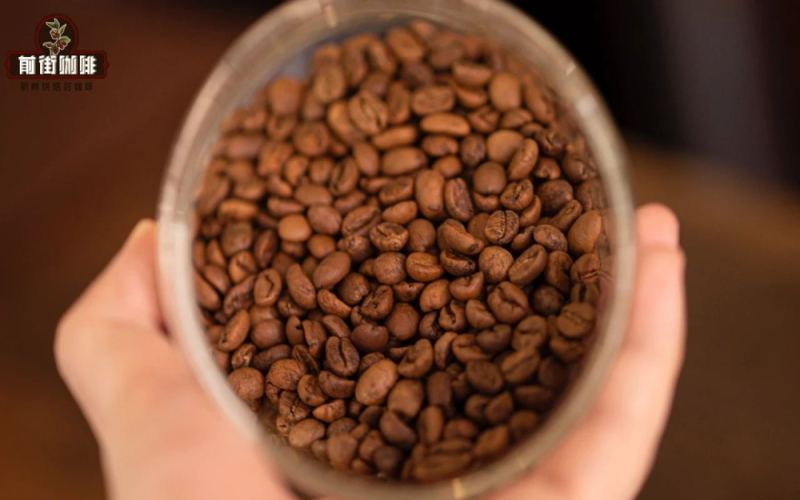
The Complete Guide to Giant Elephant Bean Coffee: Origins, Growing Conditions, and Flavor Brewing of the Maragogipe Variety
In the Arabica coffee family, there is a particularly large member—the Maragogype. Its scientific name is Maragogipe, and it was first discovered in Brazil in 1870. It was later recognized as a natural mutation of Typica, and its beans can be up to three times the size of ordinary Arabica beans. Due to high cultivation costs and difficult management, the producing areas of Maragogype are now mainly concentrated in a few Latin American countries. From the perspective of Front Street Coffee, this article will systematically introduce the variety origin of Maragogype, suitable growing regions, natural processing methods, roasting and brewing parameters, and its relationship with its hybrid descendant Pacamara, giving you a comprehensive understanding of this "giant" in the coffee world. [more…]
The Origins and Flavor Characteristics of Nicaragua Maragogype Elephant Bean: A Full Analysis from Variety Origins to Front Street Coffee Brewing
In the Arabica family, there is a member with an exceptionally prominent physique—the Maragogype, whose beans can be up to three times larger than ordinary Arabica. It was first discovered in 1870 in Bahia, Brazil, and later recognized as a natural mutation of Typica. Due to high cultivation costs and management difficulties, the Maragogype's distribution worldwide is quite limited, and Nicaragua's Mama Mina estate is one of the standout producing regions. In this article, Front Street Coffee will guide you through the Maragogype's origin story, variety characteristics, natural processing methods, along with detailed roasting curves and brewing parameters, and finally discuss its connection to Pacamara, giving you a comprehensive understanding of this giant coffee bean's unique charm. [more…]
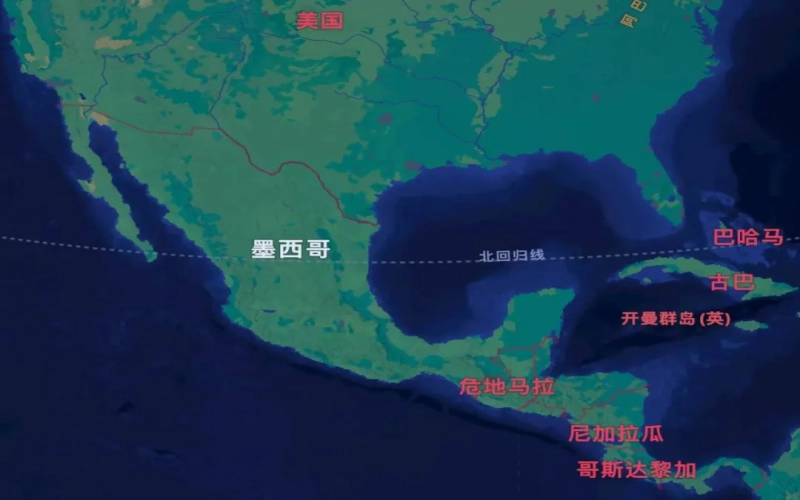
A Complete Analysis of Mexico's Coffee Regions: Varieties and Terroir from Chiapas to Puebla
When people think of coffee-producing countries in North America, Guatemala, Panama, Costa Rica, or Jamaica often come to mind first, while Mexico remains relatively lesser-known—yet in recent years it has performed remarkably well. This third-largest country in Latin America boasts complex terrain and climate, where volcanic soil and high altitudes provide ideal conditions for coffee cultivation. Of the nation's more than 500,000 producers, the vast majority are smallholders with less than three hectares of land, and cultivation is concentrated in sixteen southern states, with four—Chiapas, Oaxaca, Veracruz, and Puebla—accounting for over ninety percent of total output. This article will guide you through Mexico's geography and climate, the terroir characteristics of its four major producing regions, and principal varieties such as Typica, Bourbon, Caturra, Pacamara, and Geisha, with a special introduction to Garnica, developed by the Mexican Coffee Institute. Front Street Coffee will also share related bean recommendations in this article. [more…]
Front Street Colombia Botón Estate Maragogype Pour-Over Guide: V60 Three-Stage Extraction Parameters and Flavor Analysis
El Boton Estate in Antioquia, Colombia, has been run by the Herran family since 1930, and for nearly a century has grown only one variety: Maragogype. Annual production is just 600 bags. These beans are about three times the size of ordinary Arabica, making them the largest coffee beans in the world. Front Street Coffee brings you this El Boton Maragogype, which has a prominent sweetness on entry, with fruity acidity of grape and pomegranate and a full-bodied, black-tea-like richness. This article will break down the complete brewing approach for these giant beans layer by layer, from the estate's story, the characteristics of the Maragogype variety, and the washed processing method, to roasting recommendations and V60 three-pour hand-brew parameters, helping coffee lovers fully release its rich fruity aroma and soft nutty notes. [more…]
Analysis of Flavor Characteristics of the Pacamara Variety in El Salvador's Coffee Regions and the Hot Spring Processing Method
El Salvador is an important coffee-producing country in Central America, known for its exceptionally well-balanced coffee, which is graded according to altitude. This article will guide you through the regional characteristics and grading of Salvadoran coffee, with a focus on the origins and flavor profile of the rare Pacamara variety, as well as the unique process of using natural hot spring water to process green beans. It also reviews the ups and downs of the country's coffee industry under the influence of war and policy, and the changes in exports after the government promoted privatization. The article also mentions related product information recommended by Front Street Coffee. [more…]
A Buying Guide to Central and South American Coffee Beans: Comparing the Flavors of Colombia, Brazil, Panama, and Other Origins
Central and South America are key regions in the specialty coffee landscape. From the caramel sweetness of Colombia to the floral and citrus notes of Panama Geisha, and the nutty, chocolatey base of Brazil, each producing region has a unique terroir expression. This article systematically reviews the coffee-producing regions of the seven countries of the Central American Isthmus and the Caribbean islands, detailing the classic flavor characteristics and representative origins of Colombia, Guatemala, Costa Rica, Panama, El Salvador, Brazil, and other countries. It also includes recommended beans and roasting suggestions from Front Street Coffee for each, helping coffee lovers quickly find their preferred choice based on taste preferences. [more…]
Global Specialty Coffee Origins Flavor Guide: Characteristics of Asian and American Bean Varieties and Analysis of Representative Origins
For coffee enthusiasts, understanding the flavor characteristics of different producing regions is an important step in exploring the world of specialty coffee. This article takes body, acidity, aroma, and other dimensions as its entry point, systematically sorting out the typical styles of Asian, American, and island-type coffees, and introducing one [more…]
A Guide to Buying Specialty Coffee Beans from Central and South America: Analyzing Flavor Differences Across Origins Like Colombia, Brazil, and Panama
In the coffee belt, Central and South America, with their volcanic ash soils, microclimates, and high-altitude terrain, give rise to specialty coffees of distinct styles. This article begins with a geographical division, sorting out the coffee map of the seven Central American countries and the Caribbean islands, then analyzes one by one the flavor characteristics of representative producing regions such as Colombia, Guatemala, Costa Rica, Panama, El Salvador, and Brazil, and includes specific bean list recommendations from the Front Street brand, covering various processing methods such as washed, natural, and honey, to help coffee lovers find their ideal choice according to taste preference. [more…]
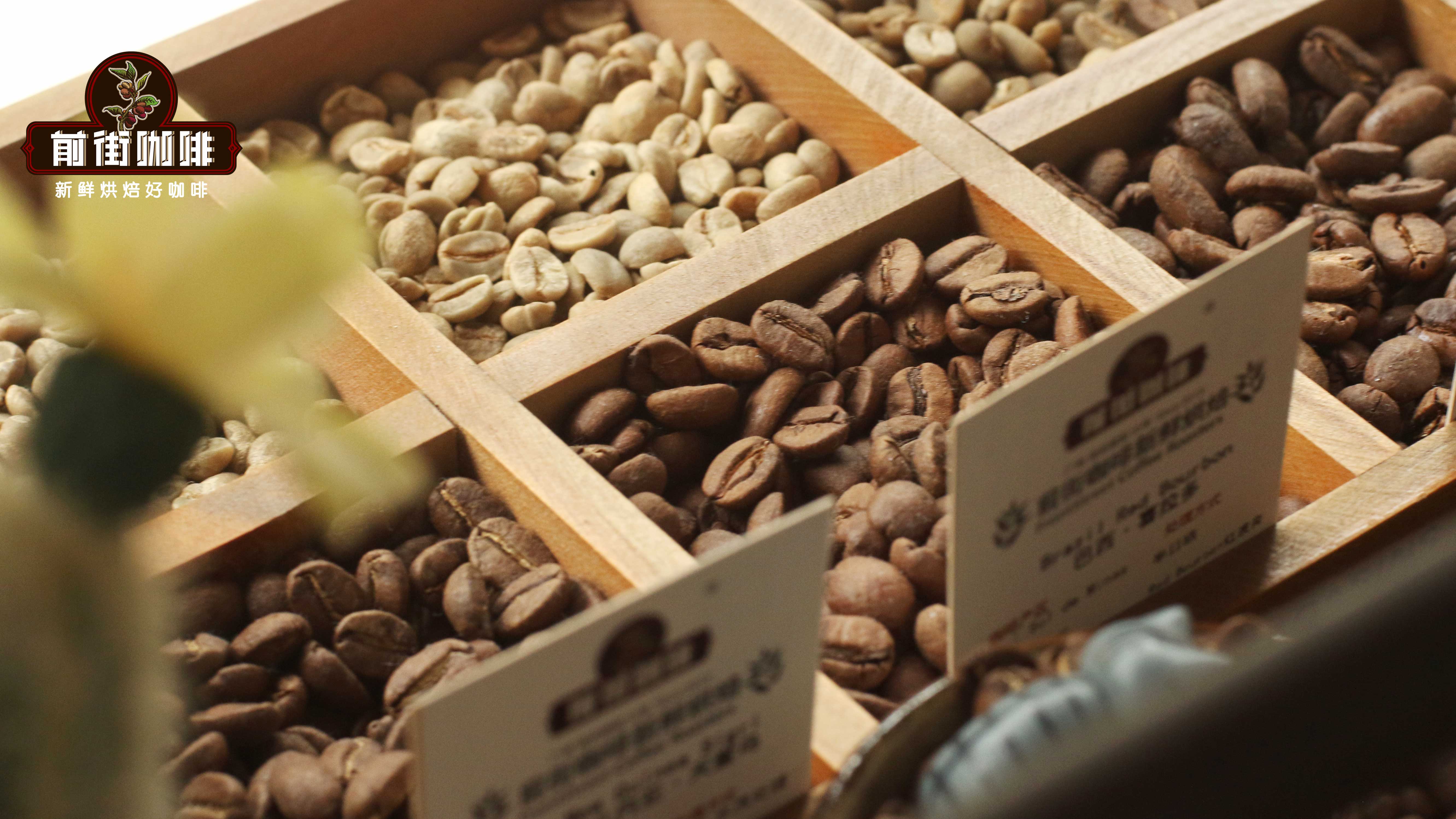
A Complete Guide to Brazilian Coffee Varieties and Major Producing Regions: A Guide to Natural Processing and Bourbon Coffee Brewing
As the world's largest coffee producer, Brazil's coffee-growing history and variety evolution have profoundly shaped the global coffee landscape. From the introduction of Typica in the 18th century to the successive emergence of Bourbon, Caturra, Catuai, Mundo Novo, and other varieties, Brazil has not only nurtured many classic coffee varieties but also invented the pulped natural processing method to cope with climate and water resource challenges. This article will systematically sort out the variety lineage and main producing regions of Brazilian coffee, with a focus on Front Street Coffee's Red Bourbon and Queen's Farm Yellow Bourbon, along with detailed roasting analysis and pour-over brewing suggestions. [more…]